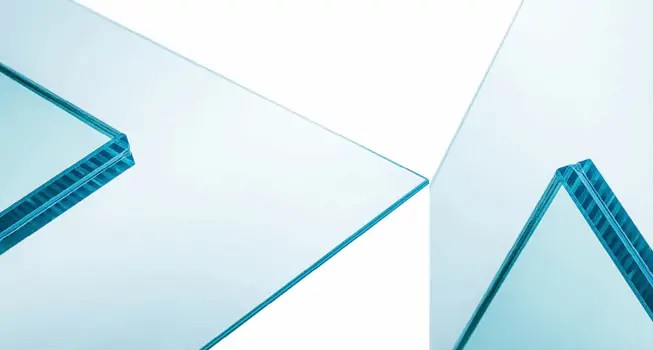
The Growing Demand for Thin Glass
The glass industry is increasingly focusing on producing thinner glass in larger dimensions, with specialized machinery now capable of processing sheets as thin as 0.5 to 0.7 millimeters.
Thin glass offers significant advantages, particularly in weight reduction, making it valuable for applications where lighter materials contribute to improved performance and efficiency.
In construction, thin glass can also enhance thermal insulation. When incorporated into insulating glass units (IGUs), an additional thin glass layer can help reduce heat transfer, supporting improved building energy efficiency.
Advanced Glass Processing with RCN Solutions
Despite its benefits, thin glass presents significant processing challenges due to its delicate structure. Specialized equipment and advanced technologies are essential to ensure its strength, reliability, and performance.
RCN Solutions addresses these challenges through specialized glass processing kilns and chemical tempering technologies, designed to strengthen delicate glass while maintaining optical clarity.
The chemical tempering process involves an ion exchange between sodium ions in the glass and potassium ions from a salt bath, increasing surface strength and resistance to bending. This technology is particularly suitable for ultra-thin glass below 3 millimeters. Where safety glazing is required, chemically strengthened glass can also undergo lamination to achieve the necessary safety performance.
By combining advanced chemical tempering technology, specialized machinery, and glass processing expertise, RCN Solutions supports the development of lighter, stronger, and more efficient glass solutions for modern construction and specialized industrial applications.
Further Reading:
This article is based on information published by Glass on Web, highlighting RCN Solutions' innovations in thin glass processing and chemical tempering technology.